The Invisible Computers Around Us --> the world of embedded systems
The Invisible Computers Around Us embedded systems microcontroller microprocessor rom ram
Admin
November 7, 2026
7 min read
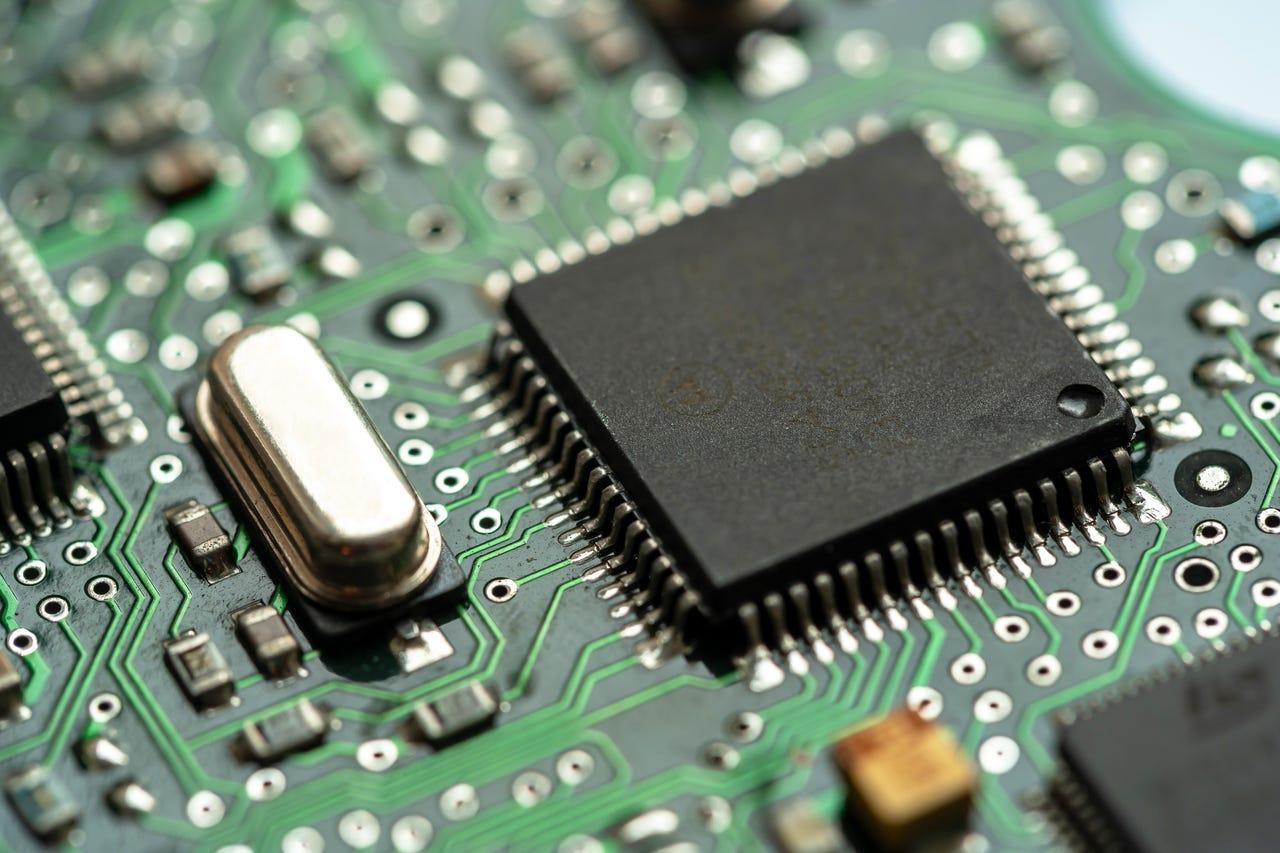
Computers Are Everywhere, Even Where We Don't See Them. From smart refrigerators to modern vehicles, embedded systems are quietly transforming the way we live. Here's a closer look at the technology powering our everyday world.
Think about a washing machine that automatically adjusts its washing cycle, a car that monitors its engine performance, or an air conditioner that maintains a comfortable room temperature. These devices have something in common: they rely on embedded systems.
Embedded systems are specialized computing systems designed to perform specific functions within larger electronic or mechanical devices. Unlike general-purpose computers, which can run thousands of different applications, embedded systems are built around particular tasks. They are the invisible intelligence behind many modern technologies, making devices smarter, more efficient, and increasingly autonomous.
But What Exactly Is an Embedded System?
An embedded system is a combination of hardware and software designed to perform a dedicated function. At its core, an embedded system generally contains:
Microcontroller or microprocessor: The processing unit responsible for executing instructions.
Memory: Stores programs, configuration data, and temporary information.
Input interfaces: Receive information from sensors, switches, and other devices.
Output interfaces: Control motors, displays, lights, speakers, and other components.
Firmware: Specialized software that determines how the hardware behaves.
For example, consider a digital thermostat. It measures room temperature using a sensor, processes the measurement through a microcontroller, and controls the heating or cooling system based on the selected temperature. The process may look simple, but it involves several components working together.
Most embedded systems interact with the physical world. They collect information, process it, and perform actions. A typical embedded system follows a continuous cycle:
Input → Processing → Output → Feedback
Let's use an automatic streetlight as an example.
A light sensor detects the surrounding brightness.
The microcontroller receives and processes the sensor data.
If the environment becomes sufficiently dark, the system activates the lights.
When daylight returns, the system switches them off.
This process can happen automatically without requiring human intervention. The interesting part is that the same basic concept applies to much more sophisticated technologies, including industrial robots, vehicle control systems, and medical monitoring equipment.
Embedded systems have become essential across many industries. Here are some particularly interesting applications.
Automotive Industry: Modern vehicles are essentially networks of interconnected embedded systems.
Electronic control units (ECUs) manage functions such as engine performance, transmission behavior, airbag deployment, and braking assistance. Advanced driver-assistance systems also use embedded computing to process information from cameras, radar, and other sensors.
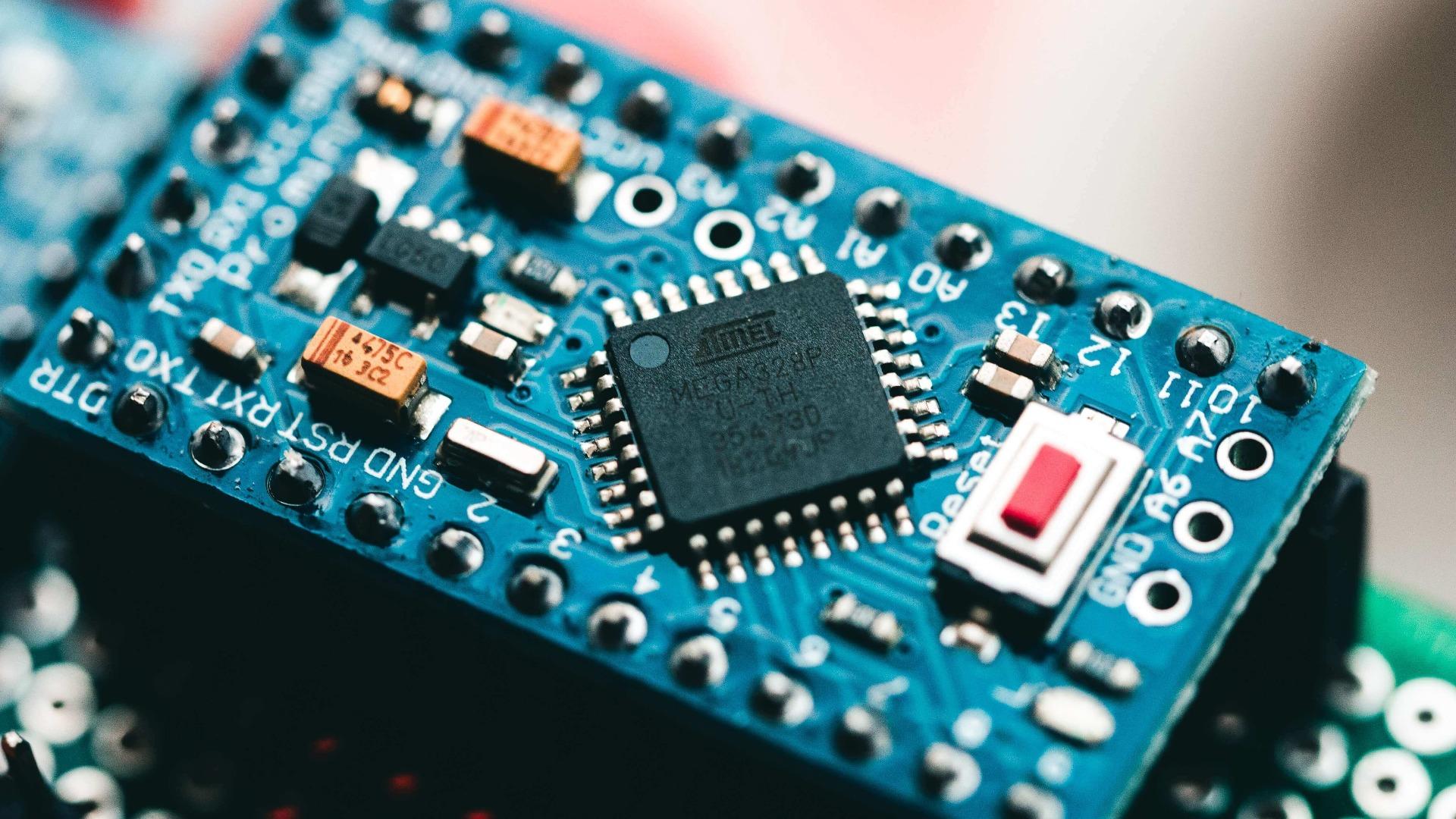
Healthcare and Medical Equipment: Embedded systems play an important role in modern healthcare. Devices such as patient monitors, infusion pumps, portable diagnostic equipment, and pacemakers depend on specialized electronics and software. In these applications, reliability is particularly important because incorrect operation can have serious consequences.
Smart Homes : Smart home technology is another excellent example of embedded computing. Smart thermostats, automatic lighting systems, security sensors, and connected appliances use embedded controllers to automate everyday activities.
These devices can also communicate with smartphones and cloud platforms, allowing users to monitor and control them
remotely.
Industrial Automation: Factories use embedded systems to control machinery, monitor production processes, and operate robotic equipment. For example, a robotic manufacturing arm can receive sensor information, calculate its next movement, and execute precise actions. This technology improves productivity, consistency, and operational efficiency.
Why Real-Time Processing Matters
One of the most interesting characteristics of embedded systems is their relationship with time. In ordinary computing, a result might still be useful even if it takes a few extra seconds. In many embedded applications, however, timing is just as important as accuracy.
This is where real-time systems become important. A real-time system is designed to respond to events within specified time constraints.
Consider an automotive braking assistance system. It must process relevant sensor information and respond within the required deadline. A technically correct response that arrives too late may no longer be useful.
Real-time systems are generally divided into two categories:
Hard real-time systems: Missing a critical deadline is considered a system failure.
Soft real-time systems: Occasional deadline misses are undesirable but may be tolerated.
This distinction is particularly important when designing systems for transportation, healthcare, and industrial automation.
Microcontrollers are among the most important components in embedded system development. A microcontroller is a compact integrated circuit that typically combines a processor, memory, and peripheral interfaces on a single chip. Unlike a general-purpose computer, it is designed to control specific electronic functions efficiently.
Popular microcontroller families and platforms include:
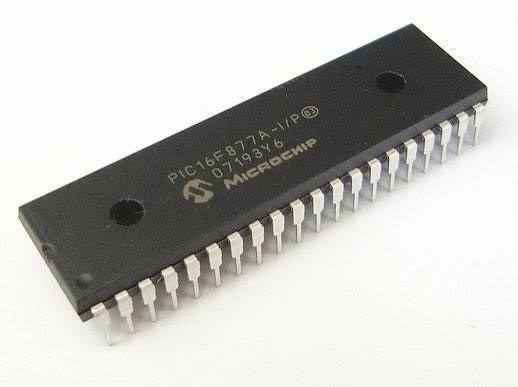
ARM Cortex-M-based microcontrollers.
AVR microcontrollers.
PIC microcontrollers.
ESP32 microcontrollers.
STM32 microcontrollers.
These platforms are used in everything from simple electronic projects to sophisticated commercial products.
For beginners, development boards such as Arduino and ESP32 boards provide an accessible way to experiment with embedded programming.
Programming languages commonly used in embedded development include C and C++. Rust is also gaining attention as an option for applications where memory safety is important.
One of the biggest developments in embedded computing is its connection with the Internet of Things.
Traditionally, many embedded systems operated independently. A washing machine controlled its own functions, and a thermostat managed room temperature without communicating with external devices. Today, connectivity has changed that picture. IoT-enabled embedded systems can exchange information through technologies such as Wi-Fi, Bluetooth, Zigbee, and cellular networks.
Imagine a smart agricultural system:
Soil moisture sensors monitor water levels.
An embedded controller processes the measurements.
A wireless connection sends information to a monitoring platform.
An automated irrigation system activates when necessary.
This combination of embedded computing, communication, and automation opens opportunities in agriculture, healthcare, transportation, energy management, and smart cities.
However, connectivity also introduces challenges involving cybersecurity, privacy, and software updates.
The Challenges of Embedded System Development
Despite their advantages, embedded systems are not always easy to design. Engineers must consider several limitations:
Limited resources: Many embedded devices have restricted processing power, memory, and storage.
Power consumption: Battery-operated devices must operate efficiently to maximize battery life.
Reliability: Devices may need to operate continuously for years in challenging environments.
Real-time requirements: Some applications must respond within strict deadlines.
Security: Connected devices must be protected against unauthorized access and software vulnerabilities.
Hardware compatibility: Software must be designed to work correctly with the specific electronic components and interfaces available.
These challenges make embedded engineering a multidisciplinary field that combines electronics, computer science, software development, and system design.
The future of embedded computing is closely connected to artificial intelligence, edge computing, robotics, and increasingly intelligent connected devices.
One particularly interesting development is Edge AI. Instead of sending every piece of information to a remote cloud server, an embedded device can process certain AI workloads locally.
For example, a smart security camera could recognise relevant activity directly on the device rather than continuously transmitting video for external processing. This approach can reduce communication delays, limit bandwidth usage, and improve privacy.
Other promising developments include:
Autonomous robotics: More intelligent robots capable of interacting with complex environments.
Smart transportation: Connected vehicles and increasingly sophisticated driver-assistance technologies.
Wearable electronics: Compact devices that monitor activity and environmental conditions.
Energy-efficient computing: Hardware designed to perform more work while consuming less power.
Industrial IoT: Connected equipment that supports predictive maintenance and automated production.
As semiconductor technology continues to evolve, embedded systems will likely become more powerful while remaining compact and energy-efficient.
Embedded systems may not receive as much attention as smartphones, laptops, or artificial intelligence platforms, but they are among the most influential technologies in modern engineering.
They connect software with the physical world, allowing everyday objects to sense, process, communicate, and act.
From the engine management system inside a vehicle to the controller inside a household appliance, embedded computing is helping transform ordinary products into intelligent devices.
Perhaps the most fascinating thing about embedded systems is that their success often depends on remaining invisible. When everything works correctly, users rarely think about the sophisticated technology operating behind the scenes.
And that is exactly what makes embedded systems so remarkable.
The future of computing isn't just about building bigger computers. It's also about making almost everything around us a little smarter.
Related articles
CPU
The Pentium CPU Revolution // Part-3
From Pentium to Modern CPUs: The Legacy of a Revolution
6 min read
Jul 3, 2026CPU
The Pentium CPU Revolution // Part-2
Part 2 – Inside the Pentium: The Architecture That Changed CPU Design
6 min read
Jul 2, 2026CPU
The Pentium CPU Revolution // Part-1
How Intel's Pentium Processor Changed Computing Forever
5 min read
Jul 1, 2026